Comparing Salicylic Acid with Other Acne-Fighting Ingredients: Which One is Right for You?
When it comes to combating acne, there’s no shortage of options. From over-the-counter solutions to prescription treatments, the variety can be overwhelming. Among the most popular acne-fighting ingredients is salicylic acid, but how does it stack up against other common treatments? In this blog, we’ll compare salicylic acid with benzoyl peroxide, retinoids, and alpha hydroxy acids (AHAs) to help you determine which ingredient might be best for your skin.
Understanding Salicylic Acid
Salicylic acid is a beta hydroxy acid (BHA) known for its ability to penetrate deep into the pores. It works by dissolving dead skin cells and excess sebum, effectively unclogging pores and preventing future breakouts. Its anti-inflammatory properties also help reduce redness and swelling, making it an excellent choice for those with sensitive, acne-prone skin.
Best for:
Blackheads and whiteheads
Mild acne
Oily skin
Benzoyl Peroxide: The Acne Buster
Benzoyl peroxide is one of the most powerful over-the-counter acne treatments available. It works by killing the bacteria that cause acne (Propionibacterium acnes) and by exfoliating the skin to prevent clogged pores. Benzoyl peroxide is often found in a variety of concentrations, ranging from 2.5% to 10%, and is typically used in spot treatments and cleansers.
Pros:
Highly effective at reducing acne-causing bacteria
Helps prevent future breakouts
Available in various forms (creams, gels, washes)
Cons:
Can cause dryness, redness, and irritation
May bleach hair, clothing, or towels
Not ideal for sensitive skin
Best for:
Inflammatory acne (pimples, pustules, cysts)
Moderate to severe acne
Individuals who can tolerate stronger treatments
Retinoids: The Anti-Aging Acne Fighter
Retinoids are derivatives of vitamin A and are widely recognized for their dual benefits in treating acne and reducing the signs of aging. Retinoids work by increasing cell turnover, preventing dead skin cells from clogging pores, and reducing inflammation. Prescription-strength retinoids like tretinoin are commonly used for more severe acne, while over-the-counter retinol is a milder alternative.
Pros:
Promotes skin cell turnover and regeneration
Helps prevent clogged pores
Reduces the appearance of fine lines and wrinkles
Cons:
Can cause significant dryness, peeling, and irritation during initial use
Increases skin’s sensitivity to the sun (requires diligent sunscreen use)
Results can take several weeks to become noticeable
Best for:
Comedonal acne (blackheads and whiteheads)
Individuals with both acne and aging concerns
Those looking for long-term skin health benefits
Alpha Hydroxy Acids (AHAs): The Surface Smoothers
Alpha hydroxy acids (AHAs), such as glycolic acid and lactic acid, are water-soluble acids that primarily work on the surface of the skin. They are excellent exfoliants, removing dead skin cells to reveal smoother, brighter skin underneath. AHAs also stimulate collagen production, making them a popular choice for those looking to improve skin texture and tone.
Pros:
Gently exfoliates the skin’s surface
Improves skin texture and tone
Helps fade hyperpigmentation and acne scars
Cons:
Can cause mild irritation, especially in sensitive skin
Increases sensitivity to the sun (sunscreen is essential)
Less effective at treating deep-seated acne
Best for:
Surface-level acne and post-acne marks
Individuals with dull, uneven skin
Those looking to improve skin’s overall texture and brightness
Choosing the Right Acne-Fighting Ingredient
When deciding which acne-fighting ingredient is right for you, consider your skin type, the severity of your acne, and any other skin concerns you may have.
For oily, acne-prone skin with blackheads or whiteheads: Salicylic acid is a great choice due to its ability to penetrate and clear pores.
For moderate to severe acne, particularly with inflammatory lesions: Benzoyl peroxide may be more effective due to its antibacterial properties.
For those dealing with both acne and signs of aging: Retinoids offer dual benefits but require careful management to avoid irritation.
For individuals looking to improve overall skin texture and address surface-level acne: AHAs can be an excellent addition to your skincare routine.
Combining Treatments
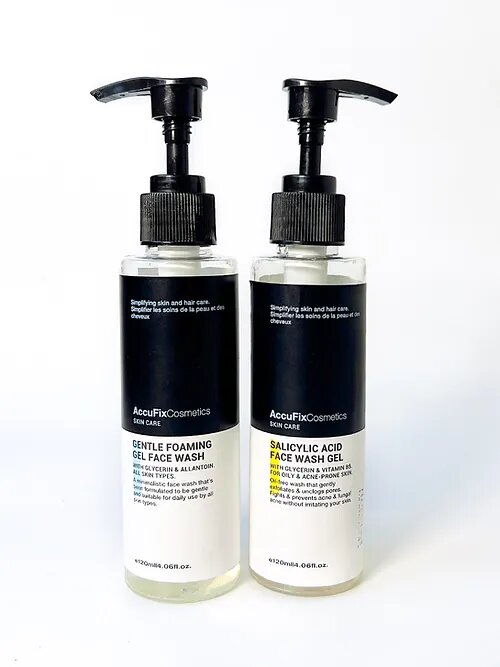
In some cases, combining these ingredients may offer the best results. For example, using a salicylic acid cleanser in the morning and a retinoid at night can target acne from multiple angles. However, it’s crucial to introduce new products gradually and monitor your skin’s response to avoid irritation.
Conclusion
Each acne-fighting ingredient has its strengths and is best suited for specific types of acne and skin concerns. Whether you opt for salicylic acid, benzoyl peroxide, retinoids, or AHAs, understanding how these ingredients work will empower you to make informed decisions and craft a skincare routine that helps you achieve clearer, healthier skin. Remember, consistency is key, and patience is essential as you work towards your skincare goals.
Comments
Post a Comment